Skip to content

Oil Rigs

General Oil Rig Information

Off shore oil rigs stretch from Long Beach to Santa Maria on the coast of California. Some are decommissioned, but most are still in active operation. Some of these rigs are in deep water; their support structures rise from depths of 600 feet. The oil rig pillars and cross beams act as an open water oasis – a home for reef & wall critters, and a resting/feeding stop for open ocean species. They make excellent artificial reefs. The rigs are also no-take zones, which mean there is no fishing or harvesting allowed near them.

Some of these rigs allow dive boats to bring out scuba divers to explore the bits of life that now call the support structure home. A few of the rigs that can be currently visited by divers are Eureka, Ellen and Elley off the coast of Long Beach. Divers used to be able to visit Grace, but it has been off limits to divers since mid 2008. Remember to be careful and responsible while out diving the oil rigs-any accident could cause a rig to be shut down to divers, losing a valuable diving resource.

Oil platforms are busy, privately owned workstations and permission to dive them must be obtained well in advance from the oil company that owns them.

Rigs make incredible off shore artifical reefs to learn more, please check out California Artificial Reef Enhancement (CARE) Program , Minerals Management Service (MMS) and Rigs to Reefs and Rigs to Reefs

View map of California Oil Rigs, courtesy of California Artifical Reefs Enhancement Program.

Grace oil rig

Oil Platform Grace sits 10.5 miles off the coast of Ventura, California near Santa Cruz Island. Grace was installed in 1979 and sits in 318’ of water. The legs and cross braces of Grace (or any other oil rig) underwater are used as a home to an incredible amount and variety of sea life.

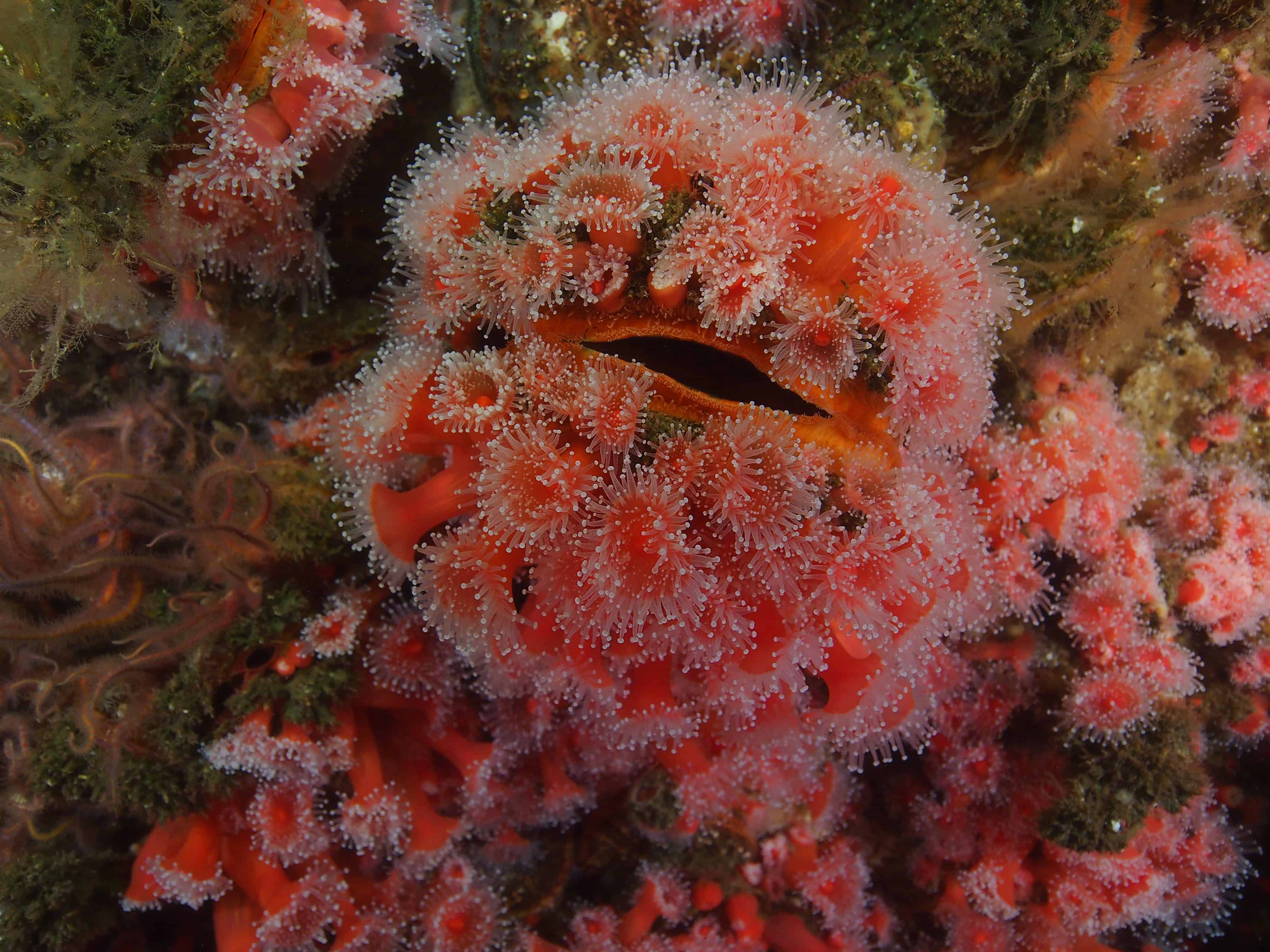
There are anemones of all colors, shapes and size as well as sponges, crabs, starfish, nudibranchs, scallops and much more. Schools of fish hang out under the structure as well as some sea lions that use the platform as a home. Grace is currently owned and operated by Veneco.

Eureka, Elly and Ellen oil rigs

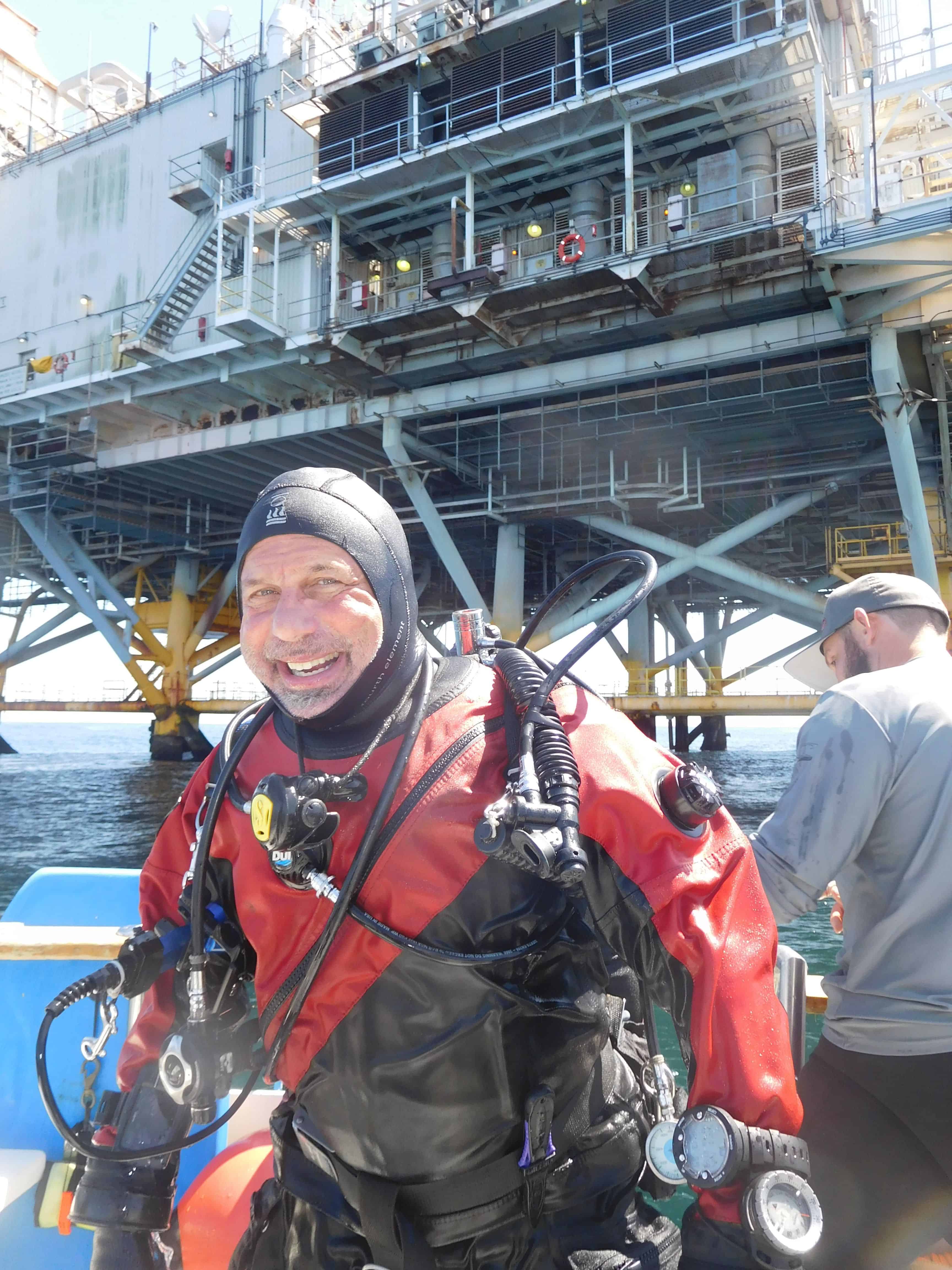
Platforms Eureka, Elly and Ellen sit in federal waters 8 ½ miles off shore from the Los Angeles area. Eureka is the deepest rig accessible to divers with it sitting in 720’. Elly and Ellen are unusual because they are a double platform with a bridge connecting them together. They sit in about 260’ of water which is still plenty deep for recreational or tech divers.

The platform on the left (Platform Ellen) is a drilling platform originally equipped with two drilling rigs and 80 well slots. The platform was installed in 1980 and drilling began in early 1981.

The platform on the right (Platform Elly) houses equipment for separating the oil, natural gas and produced water. It also houses equipment to generate electrical power for the 3 platforms (the two shown plus platform Eureka). Aera Energy LLC’s offshore California development centers on the three-platform complex and these platforms – Ellen, Elly, and Eureka – produce oil from the offshore Beta field. Underwater, their legs and cross braces are much like any other oil rig making a home to much the same life such as anemones, sponges, fish, crabs, scallops, starfish, mussels, nudibranchs and much more. All this in a small area and then to top it off you have the schooling fish and sea lions. Diving the rigs is an awesome experience especially on the days with 50’ plus visibility.

Diving the oil rigs

Diving the rigs requires special permission. It’s far easier to join a group such as Channel Islands Dive Adventures on a permitted charter boat and usually private boats are not allowed. Anchoring is impractical due to depth and not an option, and tying off to the rig is prohibited. Therefore, live-boating is essential. Instead, all the divers geared up and ready to go, gather on the bow of the boat. The boat pulls up as close to the structure as possible and puts its engines in neutral. One by one the divers jump in, swim into the rig and descend. Usually the group is split into 2 and one group goes in and when done and all are picked up the 2nd group will be dropped off for their dive.

Surge is common. Visibility can be 10 feet one day, 100 the next, with 40 to 60 feet the average. Currents, too, can be from light to very strong making it very important to stay under the platform for the dive and only leave that area at the surface when your dive is finished and the boats crew signals you to come to the boat. If there is current you can always shelter behind the legs and cross braces. You must pay attention to safe procedures for entries, exits and underwater navigation. Orientation is mostly visual because with all the metal your compass will most likely be useless. Oil platforms are busy, privately owned workstations and you must always be watching and listening for crew boats coming and going. The best marine life is found from the surface down to about 80 feet. Techies can push 200-feet-plus on the rigs. Prime diving season is generally June through December. The rigs are an excellent dive for photographers and sightseers.

No comments yet

Leave a Reply

Note: XHTML is allowed. Your email address will never be published.

Subscribe to this comment feed via RSS